New York City · School & educational properties · Seller representation
NYC School Building Sales
Selling a school property in New York City? A seller's guide to valuing, preparing and marketing educational and institutional buildings, with documented transactions involving Bob Knakal and BKREA.
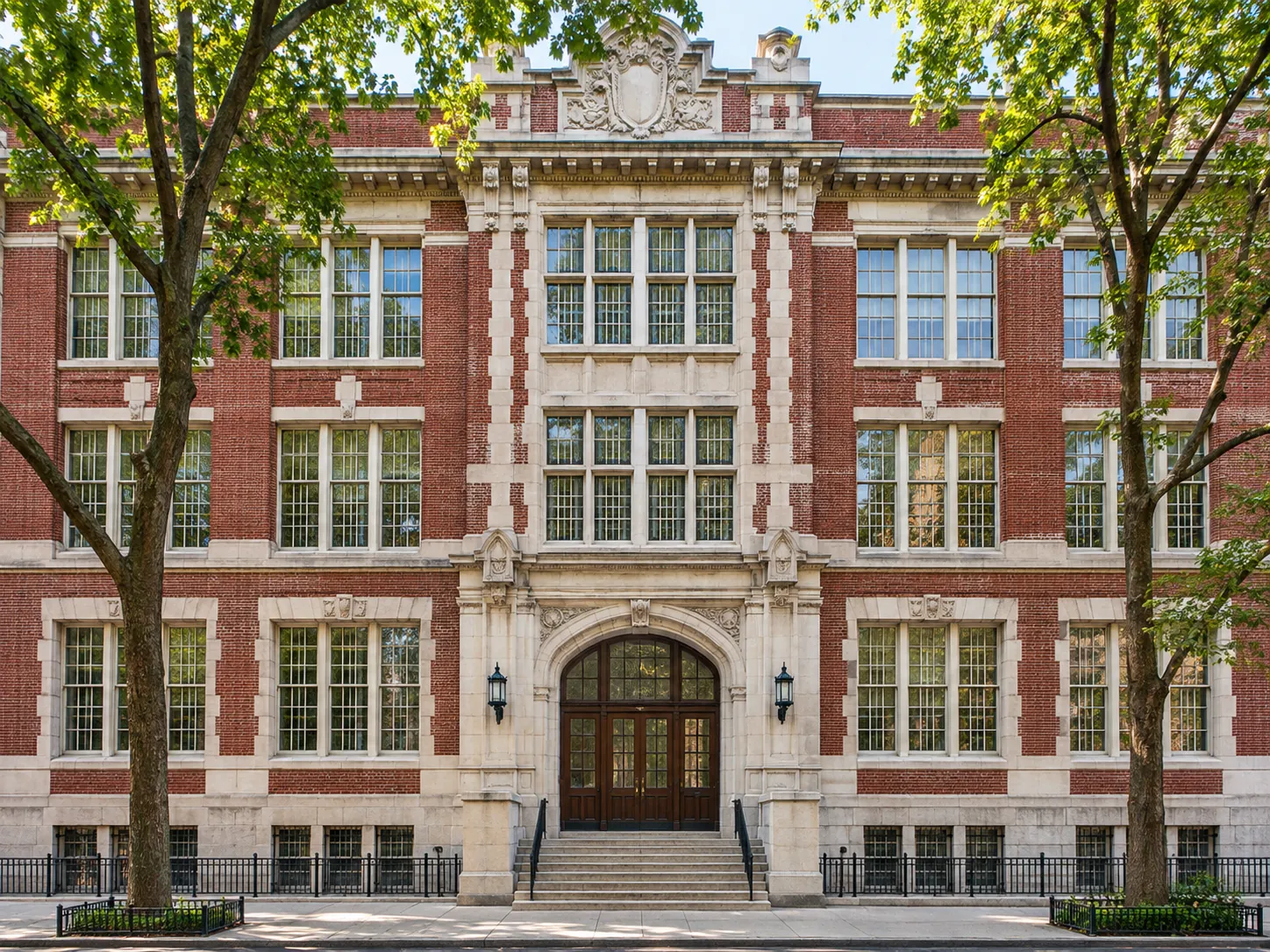
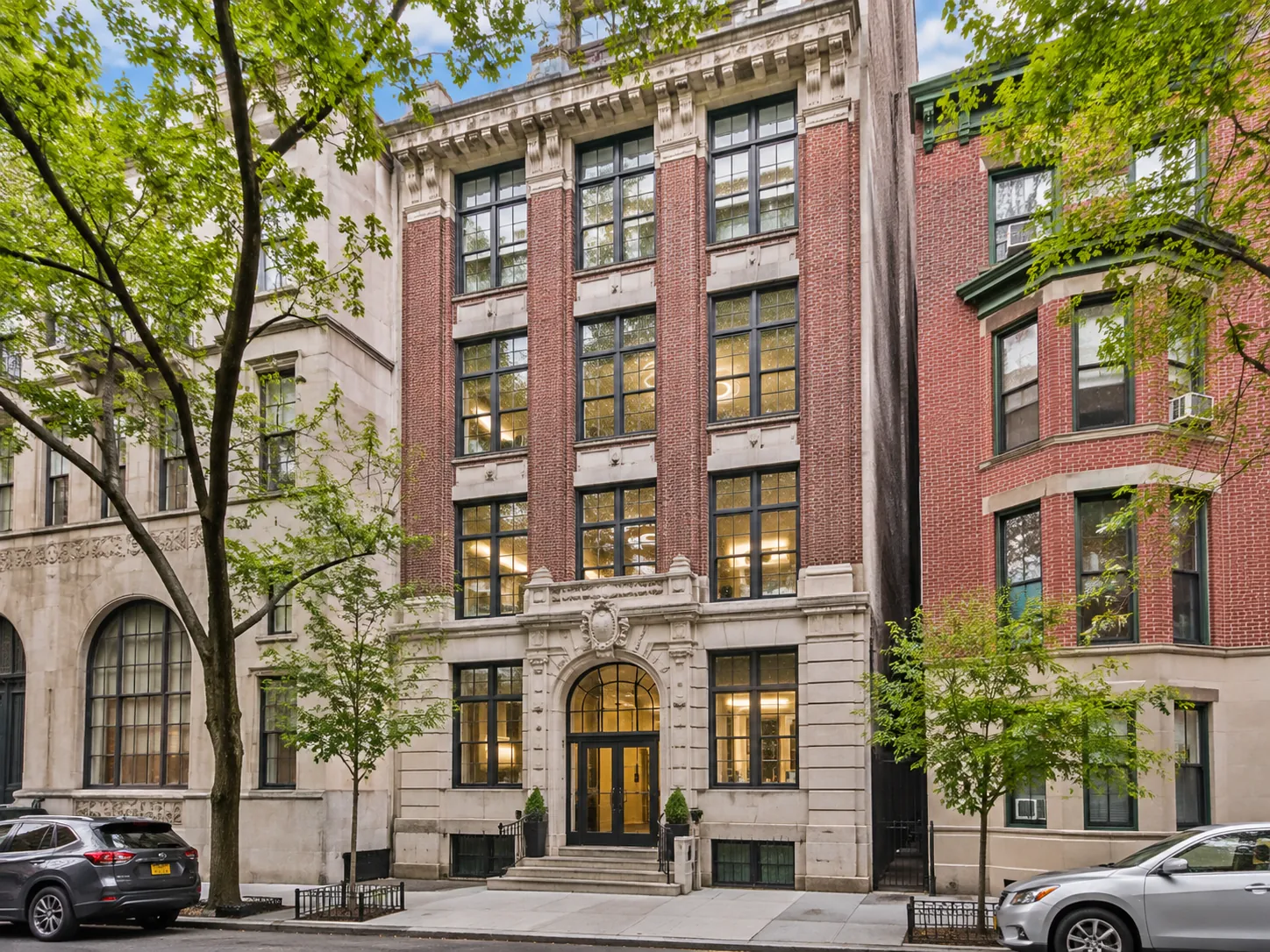
Architectural illustration, not a current BKREA listing or a documented transaction property.
Owner-focused property sales resource
Selling school buildings in New York City
An NYC school building can appeal to education operators, nonprofit organizations, other owner-users and, where legally feasible, purchasers considering another use. Identifying the right buyer pool begins with understanding what the property can actually accommodate.
For a seller, the central question is not simply whether a building can be advertised as an NYC school building for sale. It is how its permitted use, physical layout, occupancy, location and potential alternatives affect the market and the terms a buyer may offer.
Bob Knakal is Chairman and CEO of BK Real Estate Advisors (BKREA), a New York City investment-sales brokerage. BKREA states that its investment-sales practice works exclusively for sellers. Buyers and buyer brokers may participate in the marketing process, but BKREA's representation is on the seller's side. Read BKREA’s seller-representation approach.
For owners considering a sale: The goal is a defensible valuation and a marketing strategy aligned with the property's legal status, its likely buyers and the seller's objectives. Contact BKREA to discuss your property.
Who may need to sell a school property?
Illustrative school architecture. This image does not depict a specific BKREA sale or available property.
Private schools and nonprofits
Relocation or consolidation
A school or nonprofit may decide to move, consolidate facilities or sell an owned campus. Timing, transition needs and any ongoing use should be reflected in the sale plan.
Property owners
Vacant or former school buildings
An owner may hold a building formerly used for classrooms or educational services. The existing certificate of occupancy and physical configuration are starting points for buyer evaluation.
Institutions
Portfolio and real-estate decisions
Schools, charities and other institutions may review real estate as part of financial planning, expansion or divestiture.
Lenders and fiduciaries
Complex or time-sensitive dispositions
A transaction involving a loan, financing constraint or special approval can require a different process from an ordinary fee-simple property sale.
What determines the value of an NYC school building?
School-building valuation is property-specific. Sellers should evaluate several categories before selecting an asking price or marketing approach.
1. Legal use, approvals and zoning
Review the property's existing certificate of occupancy, permissible uses and any restrictions. A building previously used as a school is not automatically approved for every form of educational, residential or other occupancy. For property-specific checks, consult the NYC Zoning and Land Use Application (ZoLa) and NYC Department of Buildings and retain qualified professional advice.
2. Usable area and floor configuration
Classroom sizes, assembly spaces, elevators, stairs, accessibility, floorplates, mechanical systems and the relationship between above- and below-grade space may influence which buyers can use the property.
3. Occupancy and timing
Vacant delivery, existing leases, ongoing school operations and the seller's desired transition date can materially change both the eligible buyer pool and closing terms.
4. Building condition and capital requirements
Potential purchasers will evaluate deferred maintenance, building systems, code compliance and the cost of modifications needed for their intended use.
5. Owner-user versus investment or redevelopment demand
A prospective school operator may underwrite a property differently from an investor or developer. Feasible alternative uses must be substantiated rather than assumed. A seller-oriented marketing plan evaluates these paths without promising approvals.
Valuation is not one-size-fits-all. Historical transaction prices are useful examples, but should not be treated as present-day appraisals or implied asking prices for unrelated properties.
Who buys NYC school properties?
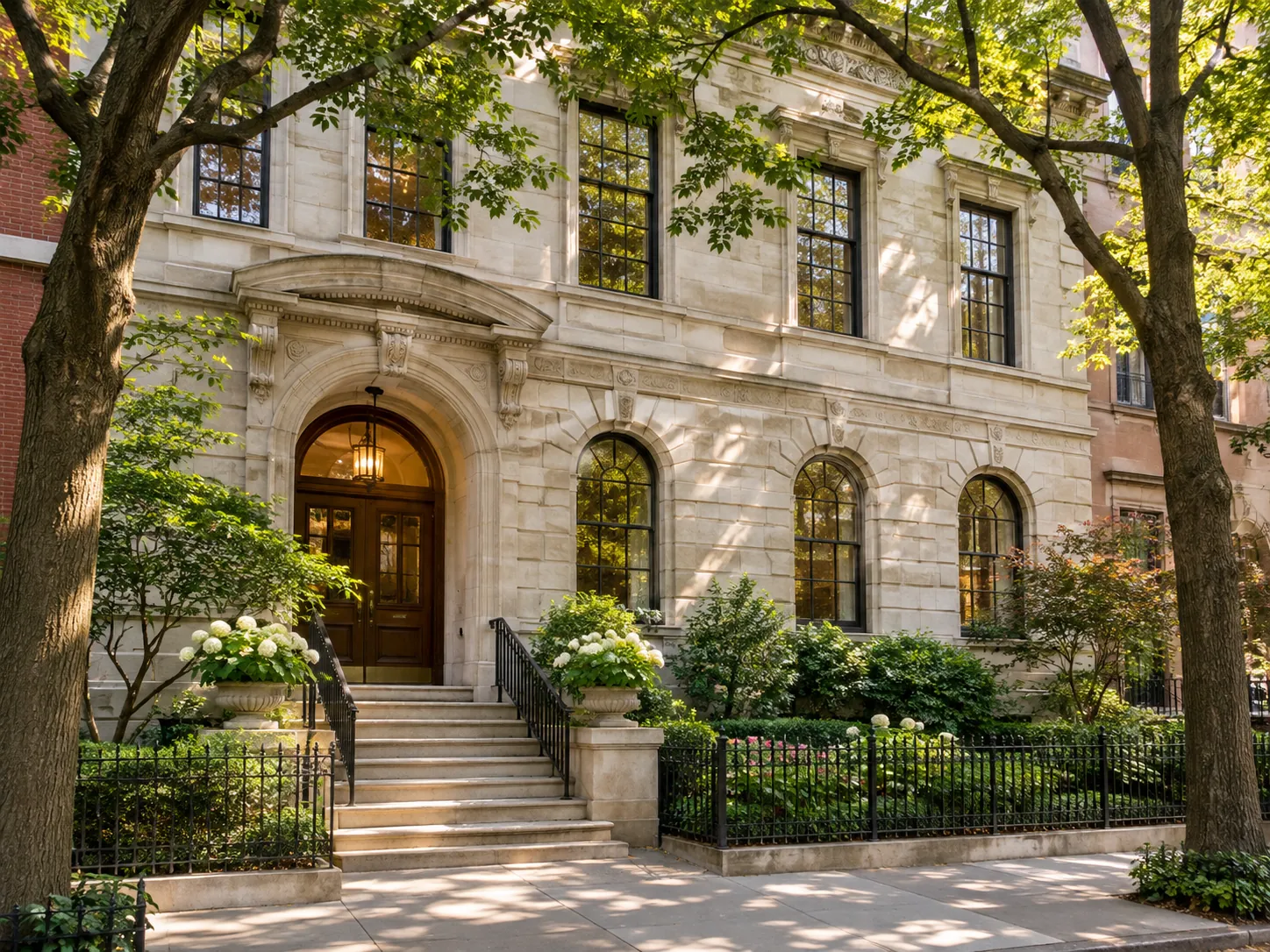
Illustrative owner-user property, not a current listing or documented sale.
Potential purchasers may include private schools, educational organizations, nonprofit institutions, religious or community users, and investors or developers evaluating lawful alternative uses. The most relevant audience depends on the individual property.
For a seller, a targeted campaign can consider both direct outreach to qualified owner-users and cooperation with brokers representing purchasers. That is compatible with exclusive seller representation: marketing to buyers does not mean acting as the buyer's broker.
School-specific features worth documenting
Existing educational occupancy and official use documentation
Classroom, auditorium, gymnasium and support-space configuration
Accessibility, circulation and life-safety systems
Location, transportation and practical access
Current tenancy, vacancy and required delivery conditions
Potential change-of-use issues identified by appropriate advisers
How to prepare a New York City school building for sale
Confirm ownership and objectives. Clarify decision makers, desired proceeds, confidentiality and relocation or occupancy requirements.
Assemble property documentation. Gather survey, architectural plans, zoning and certificate of occupancy records, taxes, building systems information and relevant leases.
Review the competitive market. Assess truly comparable transactions, current purchaser requirements and whether the property is attractive for continued educational use or another permissible purpose.
Develop a seller-side pricing and marketing strategy. Define the buyer universe, outreach process, timing, information package and appropriate evaluation of bids.
Manage diligence and closing terms. Coordinate with the owner's attorney, consultants and other advisers on contract conditions, inspections, approvals and delivery of possession.
Documented NYC school building sales involving Bob Knakal
These examples are drawn from BKREA's published transaction records. They demonstrate different educational-property situations and are historical completed transactions, not active listings.
Midtown East · Former school
247 East 53rd Street
$1,788,000
BKREA reports that Bob arranged the June 1990 sale of a former school building held by The Prescott Neighborhood House. This case illustrates the importance of understanding a nonprofit seller's objectives and the property's potential buyer audience.
BKREA documents Bob's 1989 sale of a school property associated with Birch Wathen School. The record identifies a 27,600-square-foot building, illustrating how school buildings can form part of a focused user-property sales strategy.
BKREA records a January 2010 sale of a school property at 175 West 89th Street. Its related transaction article also covers a separate garage property at 171 West 89th Street; these should not be conflated.
BKREA documents the 1993 sale of a school property by Birch Wathen Lenox School to the New York School of Interior Design. It is an example of education-related buyers participating in the market.
150 West 85th Street: Separate transactions over time
BKREA's records describe an earlier $28 million sale in 2015 involving a six-story educational facility and The New School as seller. A separate 2026 $33.2 million note/loan transaction involved Flushing Bank and The Geneva School, with BKREA representing the seller of the loan alongside a co-broker. These are different transactions and neither should be described as a current listing.
BKREA also documents Bob and his team's $9 million 2018 sale of the YMCA property at 176 West 105th Street to a religious institution. While this was not identified as a school-building sale, it provides a relevant example of outreach to an institutional user buyer for an owner-user property. Read the institutional transaction.
NYC school buildings for sale: what buyers and owners should know
People searching for “NYC school buildings for sale,” “private school buildings for sale NYC,” or “school properties for sale New York” may be seeking an operating educational facility, a former school or an institutional building capable of supporting a different use. Those needs are not interchangeable.
BKREA markets New York City properties on behalf of sellers. For current offerings, visit the official BKREA website and inquire about availability and suitability. This page intentionally does not present historical properties as currently offered for sale.
For owners, buyer searches help illuminate how potential purchasers describe their needs. The brokerage decision should still be driven by the property's attributes, pricing strategy and seller's objectives, not by a single keyword.
Considering the sale of a school building in NYC?
Discuss your property's location, existing use, occupancy, timing and valuation questions with BKREA. Its investment-sales practice focuses on representing New York City property owners.
Frequently asked questions about NYC school building sales
How do I sell a school building in New York City?
Start by assembling the property’s legal use, certificate of occupancy, survey, floor plans, condition information, and occupancy details. Have a seller-representation broker assess educational-user demand alongside other legally permissible uses, develop a valuation, and plan targeted exposure to qualified purchasers.
What affects the value of an NYC school property?
Location, building area and layout, permitted occupancy, physical condition, accessibility, tenancy or vacancy, operating costs, zoning, and realistic alternative uses may affect a buyer’s assessment. A property-specific broker opinion of value should account for both user and investor demand.
Should I market a former school building only to schools?
Not necessarily. Depending on the building’s existing approvals and applicable rules, institutional users, nonprofits, investors, or redevelopment buyers may be relevant. Permitted uses and conversion feasibility should be confirmed by qualified professionals before making marketing claims.
Can an occupied school building be sold?
Yes, but the current lease or occupancy arrangement, access for inspections, relocation timing, and delivery conditions can affect the buyer pool, underwriting, contract terms, and marketing strategy.
Does BKREA represent school-building buyers?
BKREA states that its New York City investment-sales practice represents sellers exclusively. Its marketing can reach buyers and their brokers, but the brokerage’s client is the seller.
Where can I find NYC school buildings for sale?
Current availability changes. Buyers can review relevant BKREA property information and contact the brokerage regarding properties being marketed. The historical transactions on this page are examples of completed sales, not active listings.
Sources, transaction details and official resources
Property transaction facts on this page are attributed to BKREA's published records. Readers should consult primary government records and qualified advisers for zoning, occupancy, legal and property-specific questions.